
Hey there. Grab a coffee, settle in. We need to talk about something that’s been buzzing in the financial news lately, a headline that might sound a bit dry at first blush but actually carries a hefty punch for all of us. You’ve probably seen it: US unsecured loan balances hit record high on demand from subprime customers . Now, if you’re anything like me, your initial thought might be, “Okay, so what?” But trust me, this isn’t just another dry economic report. This is a flashing yellow light on the dashboard of the American economy, and it has some pretty significant implications for your wallet, your future, and the overall financial landscape.
My goal here isn’t just to tell you what happened. Any news outlet can do that. What I want to dive into is the why why this record is a big deal, why this particular demographic (subprime customers) is driving it, and what it could mean for the road ahead. Because, let’s be honest, understanding the hidden context is always more valuable than just scratching the surface, right?
The Numbers Don’t Lie | A Closer Look at the Surge
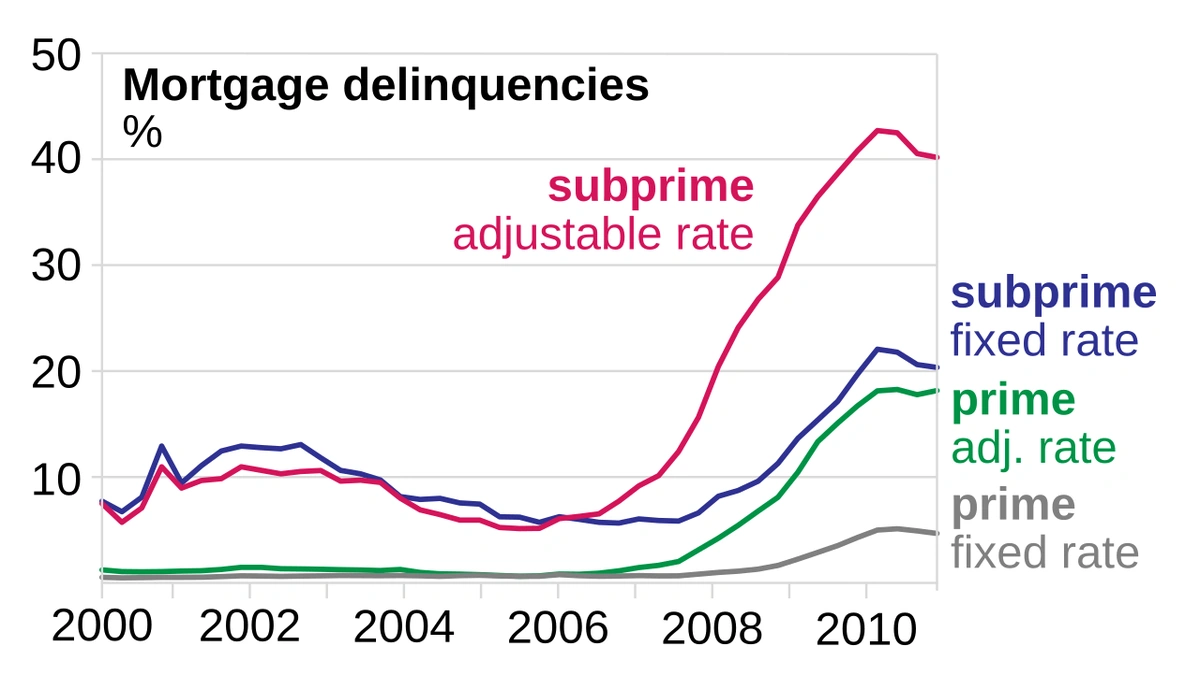
So, let’s start with the cold, hard facts. We’re talking about things like credit card debt, personal loans, and other forms of borrowing that aren’t backed by an asset like a house or a car. These are your everyday, run-of-the-mill loans that fuel everything from unexpected emergencies to consolidating higher-interest debt. The Federal Reserve, among other institutions, has been tracking this, and the latest figures paint a picture of soaring balances. To put it plainly, Americans are borrowing more money without collateral than ever before.
What really jumps out from these reports isn’t just the sheer volume, but the underlying engine of this growth: a significant uptick in demand from what are known as subprime borrowers . These are individuals with lower credit scores, typically below 670, who historically have had limited access to credit or faced much higher interest rates. The fact that they’re now a major driver of this record consumer debt growth tells us something crucial about the current economic climate and how people are managing their day-to-day finances.
I initially thought this might be just a post-pandemic rebound, a return to normal spending, but then I realized it’s deeper than that. This isn’t just people splurging on travel; it’s often a reflection of a deeper need. And that’s where the story gets really interesting, and frankly, a bit concerning.
Decoding the “Subprime” Factor | More Than Just a Label
Let’s talk about subprime borrowers for a second. It’s easy to just slap a label on them and move on, but these are real people, often living paycheck to paycheck, navigating rising costs of living. When lenders extend credit to this group, the perceived credit risk indicators are generally higher. Historically, this meant either denial or prohibitively high interest rates. So, why are lenders seemingly more willing to lend now?
Well, part of it is undoubtedly the search for yield. In a competitive lending market, financial institutions are looking for places to make money. And while subprime loans carry more risk, they also come with higher interest rates, offering potentially bigger returns. But that’s only one side of the coin. The other side is the demand from these customers. Why are they borrowing so much?
The answer, I believe, lies in a cocktail of factors. Inflation, for one, has been eating into purchasing power. Essential goods and services cost more, leaving less disposable income. For many, especially those on the lower end of the income spectrum, unsecured loans become a necessary stopgap to cover basic expenses, unexpected bills, or even to avoid falling behind on other payments. This indicates significant household finances stress , where people are increasingly relying on credit to bridge the gap between their income and their expenditures. It’s a tough spot to be in, and it’s a trend that warrants serious attention.
What This Means for the Wider Economy (and Your Wallet)
Now, let’s zoom out. What does this massive surge in unsecured debt, particularly among subprime borrowers, mean for the broader economy? A few things immediately come to mind.
First, it raises a red flag regarding potential economic recession concerns. If a significant portion of the population is taking on high-interest, unsecured debt just to stay afloat, their financial fragility increases. Any economic shock a job loss, a medical emergency, or even a sustained period of high inflation could tip them into delinquency, leading to widespread defaults. This isn’t just a problem for the individual; it can ripple through the entire financial system. Just look at historical examples of credit bubbles, and you’ll see similar patterns emerging.
Second, the current interest rate environment plays a massive role here. The Federal Reserve has been aggressive with rate hikes, making borrowing more expensive across the board. While this is meant to cool inflation, it also means that new unsecured loans, especially for subprime borrowers, come with even higher interest rates, making them harder to pay off. It’s a vicious cycle where higher rates increase the cost of borrowing, which for many struggling families, only deepens their debt burden. It’s like trying to bail water out of a boat with a thimble while the waves are getting bigger.
The health of the personal loan market is also indicative of broader consumer behavior. A rapidly expanding market driven by subprime demand can be a sign of both consumer desperation and lender aggressiveness. We’ve seen this play out before, leading to consequences that can affect everything from housing markets to overall consumer spending confidence. Understanding these market dynamics is key to recognizing potential vulnerabilities. For more on how market forces can create instability, you might find our insights onfinancial blockagesquite illuminating.
Navigating the New Landscape | A Prudent Approach
So, what’s the takeaway here? It’s not about fear-mongering, but about informed awareness. If you’re a consumer, especially one with existing unsecured debt, this trend should serve as a prompt for a financial health check. Are you comfortable with your current debt load? Do you have an emergency fund? Are you paying down high-interest debts as aggressively as possible? These are crucial questions.
For lenders, this trend highlights the tightrope walk between profitability and responsible lending. The consequences of over-extending credit to borrowers who may struggle to repay can be severe, not just for the borrowers themselves but for the stability of the financial system. It’s a delicate balance, and how it plays out in the coming months will be telling.
The fascinating thing to me is how interconnected everything is. A household struggling with credit card debt might seem like an isolated incident, but when multiplied by millions, it becomes a macroeconomic force. We’re in a period where understanding these forces is more critical than ever, not just for economists, but for every single person trying to make sense of their financial world.
FAQs | Your Questions on Unsecured Loans Answered
What exactly is an unsecured loan?
An unsecured loan is a type of debt that isn’t backed by any collateral. Think credit cards, personal loans, or student loans. If you default, the lender can’t seize an asset like your car or home to recover the money, but it will significantly damage your credit score and they can pursue other collection methods.
Why are subprime borrowers getting more loans now?
There are a few reasons. Lenders are often looking for higher yields in a competitive market, and subprime loans come with higher interest rates. Additionally, many individuals with lower credit scores are facing economic pressures, like inflation, and are seeking credit to cover essential expenses or manage existing debt.
Should I be worried about my own unsecured debt?
It depends on your individual situation. If your unsecured debt is growing, especially at high interest rates, and you’re struggling to make payments, it’s definitely a cause for concern. Prioritize paying down high-interest debt and consider speaking with a credit counselor. Monitoring yourfinancial healthregularly is always a good idea.
Where can I find reliable data on US consumer debt?
The Federal Reserve is an excellent primary source for data on consumer debt, credit, and household finances. Their regular reports, like the Household Debt and Credit Report, provide comprehensive insights into these trends.
How do high interest rates affect unsecured loans?
High interest rates, like those we’ve seen recently, make unsecured loans more expensive. This means a larger portion of your monthly payment goes towards interest rather than reducing the principal balance, making it harder and slower to pay off the debt, especially for subprime borrowers who often face even higher rates.
What’s the difference between prime and subprime borrowers?
The distinction primarily comes down to credit scores. Prime borrowers typically have higher credit scores (generally 670 or above), indicating a lower risk of default, and thus qualify for better interest rates and terms. Subprime borrowers have lower credit scores, which signals a higher risk to lenders, leading to higher interest rates and often more restrictive loan terms.
At the end of the day, this isn’t just a story about numbers on a spreadsheet. It’s a narrative about economic pressure, individual resilience, and the delicate balance of our financial system. The surge in US unsecured loan balances hit record high on demand from subprime customers isn’t just a headline; it’s a conversation starter, a call to awareness, and perhaps, a nudge for us all to look a little closer at our financial foundations. What comes next will be fascinating to observe, and critical to understand.


