
Alright, let’s grab a coffee and talk about something that hits close to home for many of us: thehousing market. You might have seen the headlines: the FHFA (Federal Housing Finance Agency) recently announced that US single-family home price growth slowed down in December. On the surface, it sounds like straightforward news, right? Prices aren’t rocketing up quite as fast. But here’s the thing: in the complex dance of real estate, nothing is ever truly straightforward. This isn’t just a simple deceleration; it’s a signal, a whisper, potentially even a shout, depending on where you stand.
What fascinates me about these reports isn’t just the numbers themselves, but what they really mean for everyday Americans. For the couple dreaming of their first home, for the empty-nesters considering downsizing, or for anyone with a significant chunk of their wealth tied up in their property, a slowdown in home prices can trigger a mix of emotions: relief, anxiety, or perhaps a glimmer of hope. I initially thought this was just another data point, a routine update, but then I realized the deeper questions it raises. Is this a healthy rebalancing, or a precursor to something more significant?
So, let’s peel back the layers and explore the ‘why’ behind this headline. Why did growth slow? What are the ripple effects? And what should you, as a potential buyer, seller, or simply an observer of the economy, take away from the latest FHFA report?
Understanding the FHFA’s December Snapshot | More Than Just a Number
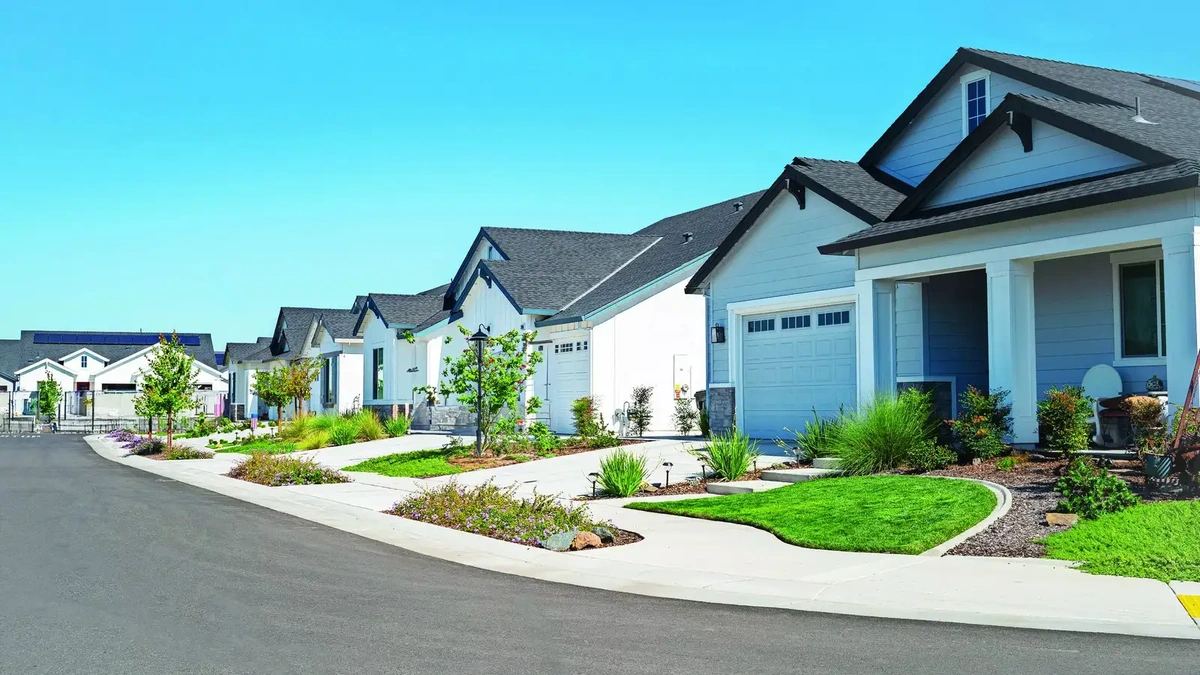
The FHFA House Price Index (HPI) is a pretty big deal. It tracks changes in the value of single-family homes with mortgages backed by Fannie Mae and Freddie Mac. When it says growth is slowing, it means homes are still getting more expensive, just not at the blistering pace we’ve seen in recent years. Think of it like a car that’s been accelerating hard; it’s still moving forward, but the driver has eased off the gas a bit. This doesn’t mean prices are falling nationwide, which is a crucial distinction. It implies the rate of appreciation is moderating.
Now, why would this happen? Several economic indicators play a role. For one, we can’t ignore the elephant in the room: interest rates. The Federal Reserve has been on a campaign to cool inflation, and their primary tool has been raising the federal funds rate, which in turn impactsmortgage rates. When borrowing money becomes more expensive, it naturally dampens demand. Fewer buyers can afford the same house at a higher mortgage payment, or they simply choose to wait it out.
Let me rephrase that for clarity: higher mortgage rates act like a speed bump for affordability. A buyer who could comfortably afford a $400,000 home at 3% interest might find that same home out of reach at 7%. This reduced buying power naturally takes some of the frantic energy out of the market, leading to a more measured pace of appreciation. It’s a fundamental supply-and-demand dynamic at play.
The Ripple Effect | Who Wins, Who Waits, and Who Worries?
This slowdown isn’t a universally good or bad thing; its impact is highly contextual. If you’re a prospective homebuyer who’s been priced out of the market for the last few years, this news might feel like a breath of fresh air. A more balanced market could mean slightly less competition, fewer bidding wars, and perhaps even more negotiating room. It doesn’t mean a return to pre-pandemic prices overnight, but it does suggest a less frenzied environment.
For sellers, especially those who bought recently and are hoping for a quick, substantial gain, this might be a wake-up call. The days of putting a ‘For Sale’ sign in the yard and having multiple cash offers by sundown might be fading, at least for now. Selling a home now might require a bit more patience and realistic pricing strategies. The emotional attachment to what your neighbor’s house sold for six months ago needs to be tempered with current housing market trends.
And what about those who aren’t looking to buy or sell? Well, the housing market is a huge component of the broader economy. Changes here can affect everything from consumer confidence to construction jobs. A slower, more sustainable growth rate is arguably healthier in the long run than explosive, unsustainable gains. It helps prevent bubbles and encourages more stable home affordability.
Beyond the Numbers | What’s Really Driving the Market Now?
While interest rates are a huge factor, they’re not the only game in town. We also need to consider housing inventory. For a long time, we’ve had a significant shortage of homes available for sale. Builders are slowly catching up, but it’s a marathon, not a sprint. If supply remains tight, even with slightly slower demand, prices won’t plummet. They might just grow at a more historically typical rate.
Then there’s the question ofbuyer sentiment. Are people still feeling confident about the economy and their job prospects? If so, they’ll likely continue to invest in housing. If fears of recession or job insecurity start to creep in, that confidence could wane, further impacting demand. It’s a delicate balance. The one thing you absolutely must understand is that these large-scale economic forces, like federal reserve policy, have a direct impact on the kitchen table decisions we all make.
It’s also worth noting that ‘national’ averages often mask significant regional variations. What’s happening in Boise, Idaho, might be completely different from what’s happening in Boston, Massachusetts. Local job markets, population growth, and specific supply-demand dynamics are always at play. So, while the FHFA report gives us a national pulse, it’s always wise to look at your specific local conditions too.
Navigating the New Landscape | Your Next Steps
So, where does this leave us? The slowdown in US single-family home price growth isn’t a crisis; it’s a recalibration. It suggests that the frenetic pace of recent years is giving way to something more sustainable, more reflective of underlying economic realities. For prospective buyers, this might be an opportunity to enter a market that’s a little less intense. For sellers, it means adjusting expectations and perhaps focusing more on value and presentation.
Thereal estate forecastremains complex. We’re still grappling with the push and pull of supply shortages, elevated interest rates, and evolving economic confidence. My advice? Stay informed, consult with local real estate professionals, and don’t make rash decisions based on headlines alone. This shift could very well lead to a healthier, more predictable market in the long run, one where thoughtful decisions, rather than frantic bidding, become the norm.
Frequently Asked Questions About the Housing Market Slowdown
What does it mean if home price growth “slows”?
It means that home prices are still increasing, but at a less rapid pace than before. It doesn’t typically mean prices are falling nationally, but rather that the rate of appreciation is moderating. Think of it as slowing down from a sprint to a jog, not stopping completely.
Are high interest rates the only reason for the slowdown?
While mortgage rates play a significant role by impacting affordability and buyer demand, they are not the sole factor. Other elements like housing inventory levels, overall economic indicators, consumer confidence, and regional market dynamics also contribute to the pace of housing market trends.
Should I wait to buy a home now that growth is slowing?
That’s a personal decision based on your financial situation and local market. A slowdown could mean less competition and potentially more negotiating power for homebuyers, but it doesn’t guarantee future price drops. It’s crucial to evaluate your individual circumstances and local market conditions. You can read more about market influenceshere.
Will home prices actually fall in the coming months?
While a slowdown in growth is reported, a widespread national decline in home prices is not currently the most common prediction among experts, largely due to ongoing housing inventory shortages. However, certain local markets might experience price adjustments, and the overall real estate forecast is subject to economic shifts and future federal reserve policy.


