
Ah, the Whopper. For generations, it’s been more than just a burger; it’s an institution. That unmistakable flame-grilled aroma, the fresh toppings, the sheer satisfying heft of it all. It’s a comfort, a classic, a reliable choice in a world constantly in flux. So, when whispers and then outright news ofBurger King Whopper changesstarted circulating, my ears perked up. And I’m guessing yours did too, right? Because let’s be honest, you don’t mess with a legend without a seriously good reason.
Here’s the thing: these aren’t just minor tweaks or a fleeting limited-time offer. We’re talking about fundamental shifts that could redefine a beloved classic. And what fascinates me isn’t just what they’re changing, but why. What’s truly driving these decisions behind the scenes at Burger King? Is it about taste, cost, competition, or something deeper? As someone who’s spent a fair bit of time observing the fast-food landscape, I’ve got some thoughts. Let’s pull back the curtain and analyze the real forces at play, because understanding the ‘why’ helps us appreciate what theseburger king whopper changestruly mean for us, the burger enthusiasts.
More Than Just a New Bun | Unpacking the “What” and the “How”
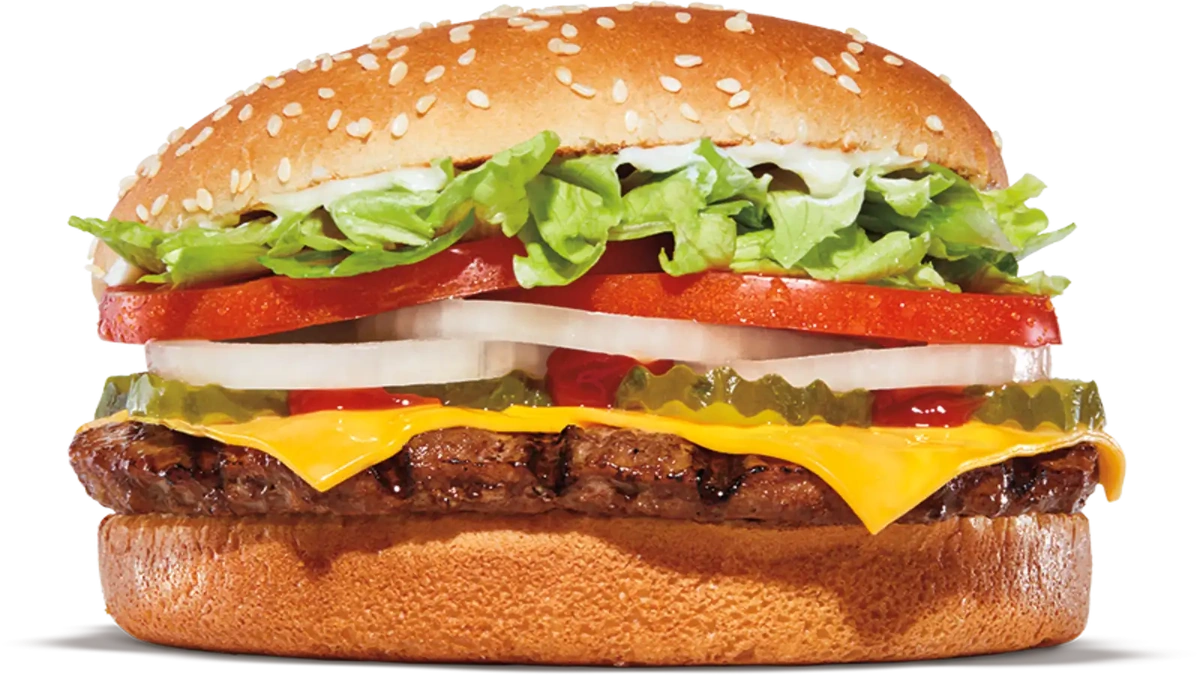
First, let’s get on the same page about what exactly we’re discussing. While specifics can vary by region and often roll out incrementally, the core of the recent updates has centered around a refreshed approach to the classic Whopper. This isn’t just about a fancy marketing campaign; it’s about the very components that make up the burger itself. We’ve seen reports and observations pointing to improvements in the bun – often described as softer, richer, and more brioche-like, a definite departure from the previous standard. The cheese? Meltier. The onions? Potentially less aggressive, perhaps a nod to broaderconsumer preferences. Even the overall assembly and presentation have been under scrutiny, aiming for a more appealing and premium look.
Initially, I thought this was just about sprucing up the aesthetics, a fresh coat of paint, if you will. But then I realized, when you touch the bun, the cheese, the onions, you’re fundamentally altering the veryWhopper recipe. This isn’t trivial. Every element contributes to that quintessentialflame-grilled tasteexperience that Whopper fans crave. It’s a delicate balance, and changing any part requires careful consideration, especially for a product with such a loyal following. So, while it might seem like small adjustments, theseWhopper ingredientsupdates hint at a much larger strategy at play, impacting the overall perception of the Burger King brand.
The Shifting Sands of the Fast Food Landscape | Why Burger King Had to Act
Now, let’s dive into the core of the ‘why’. Therestaurant industry trendsare relentlessly competitive, and standing still is simply not an option. McDonald’s has been making significant investments in their core menu, improving their burgers, and pushing new offerings. Wendy’s continues to differentiate with fresh beef. Even smaller, fast-casual chains are capturing market share with their focus on quality ingredients and customizable options. This intensecompetitor landscapemeans that Burger King couldn’t afford to be complacent, even with a classic like the Whopper.
Beyond competition,consumer preferencesare constantly evolving. There’s a growing demand for perceived quality, fresher ingredients, and even a touch of premiumization, even in the fast-food space. Customers are more educated, more discerning, and let’s be honest, they expect more for their money. Gone are the days when convenience alone was enough. So, theseBurger King menu innovationefforts can be seen as a direct response to these market forces, an attempt to elevate the Whopper and ensure it remains relevant and appealing to today’s diners. It’s about securing its place in a crowded market, making sure that when you think of a flame-grilled burger, the Whopper is still top of mind.
It’s Not Just About Taste | The Business Implications of a Whopper Makeover
While we, as consumers, naturally focus on taste and experience, for Burger King, these changes are deeply rooted in business strategy. A refreshed Whopper isn’t just about making a better burger; it’s about making a smarter business decision. Consider the potential impact on sales and market share. A more appealing product can draw in new customers and reactivate lapsed ones, directly boosting the bottom line. It’s also a powerful tool forfast food marketing, providing fresh content for advertising campaigns and social media buzz.
Then there’s the operational side. Sometimes, ingredient changes, while aimed at improving taste, can also simplify supply chains or lead to cost efficiencies in the long run. I’m not saying this is the sole driver, but it’s always a factor in large-scale menu overhauls. Furthermore, a modernized Whopper helps Burger King position itself as an innovator, not just a legacy brand. It strengthens their overallvalue proposition, making customers feel like they’re getting a superior product for their money. This entire strategy is designed to create a ripple effect, improving customer perception, increasing foot traffic, and ultimately, ensuring the brand’s sustained profitability in a cutthroat industry.
The Whopper Legacy | What Do These Changes Mean for the Loyalists?
Now, this is where it gets interesting, and perhaps a little emotional for some of us. When you’ve had a consistent product for decades, any change, no matter how well-intentioned, can feel like a betrayal. TheWhopper legacyisn’t just about a burger; it’s about memories, traditions, and that particular flavor profile that has been a constant in our lives. Some loyalists might worry that theseBurger King Whopper changeswill dilute the very essence of what they love.
But here’s my take: evolution is often necessary for survival. Brands, like people, need to adapt. The risk of alienating a segment of loyal customers is weighed against the potential gain of attracting a new generation of diners or bringing back those who’ve strayed. It’s a delicate balancing act, to be sure. The key for Burger King is to ensure that while they’re modernizing, they’re not abandoning the core identity of the Whopper – that uniqueflame-grilled tastethat sets it apart. If they can enhance the experience without losing the soul, then these changes could very well solidify the Whopper’s legendary status for decades to come. It’s a calculated gamble, but one that makes sense in the current climate.
Frequently Asked Questions About the Burger King Whopper Changes
What exactly are the recent Burger King Whopper changes?
Recent changes have focused on enhancing the overall Whopper experience, including a softer, richer bun, meltier cheese, and adjustments to the onion preparation for a more balanced flavor. The aim is to deliver a fresher, more premium product. While specifics can vary, the overall goal is an elevated version of the classic.
Why is Burger King changing the Whopper now?
Burger King is responding to evolvingconsumer preferencesfor higher quality, as well as intense competition in thefast food trendslandscape. These changes are part of a broader strategy to boost the brand’s appeal, attract new customers, and solidify its market position by offering a more desirable core product.
Will these changes affect the Whopper’s famous flame-grilled taste?
The intent of the changes is to enhance the overall experience while preserving the iconic flame-grilled flavor. The core flame-grilling process remains, and adjustments to ingredients like the bun and cheese are designed to complement, rather than diminish, that signature taste.
Are these Whopper recipe changes permanent?
Typically, when a major brand invests in significant changes to a flagship product like the Whopper, they are intended to be permanent updates to the standardBurger King menu. These aren’t usually limited-time promotions, but rather a strategic evolution of the product line based on market research and consumer feedback.
How do these changes compare to what other fast-food chains are doing?
Many fast-food chains are investing in their core menu items to meet modernconsumer preferences. Burger King’s move mirrors a broader industry trend where brands are focusing on quality ingredients and a premium experience, similar to McDonald’s efforts to improve their burgers or Wendy’s focus on fresh ingredients. It’s about staying competitive and relevant.
So, there you have it. TheBurger King Whopper changesaren’t just a whim; they’re a carefully orchestrated strategic move in a dynamic market. While some might mourn the loss of the ‘original’ in some minute detail, I believe these shifts are a testament to Burger King’s commitment to keep the Whopper relevant, delicious, and deeply ingrained in our fast-food consciousness. It’s about ensuring that the next generation of burger lovers can also fall in love with that flame-grilled magic, even if it comes wrapped in a slightly softer bun. And who knows, perhaps these changes will usher in a new golden era for the King.


