
Alright, grab a coffee. We need to talk about something that might seem a little contradictory on the surface but has some serious implications for your wallet and the wider economy. We’re talking about the Fed’s Goolsbee – Austan Goolsbee, the President of the Federal Reserve Bank of Chicago – and his recent remarks. Here’s the thing: most of the chatter out there is about a booming job market, cooling inflation, and the growing whisper of imminent rate cuts. Sounds good, right? Like we’re finally getting past the turbulence.
But then Goolsbee steps up, full of his usual thoughtful analysis, and says, essentially, “Hold your horses.” He’scautious on rate cuts despite optimistic outlook. And that, my friends, is where the real story begins. It’s not just about reporting what he said; it’s about understanding why he said it, and what it actually means for you, for me, and for the economic path ahead. This isn’t just news; it’s a crucial piece of the puzzle that could define the next phase of our economic journey.
The Optimistic View | What Goolsbee Sees (And Likes)
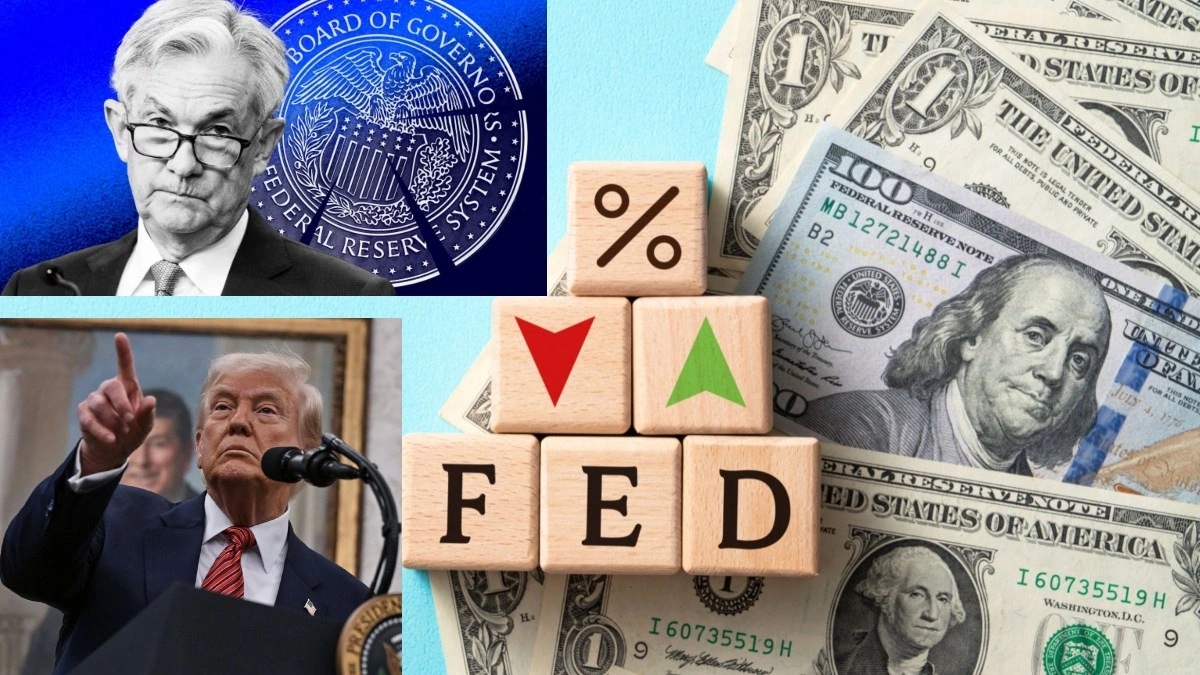
Let’s start with the positives, because there are plenty. Goolsbee, like many economists, is clearly heartened by the progress the U.S. economy has made. We’ve seen a remarkable trend of disinflation – meaning the pace of price increases is slowing down – without the economy falling off a cliff. Think about it: remember all the doomsayers predicting a brutal recession just a year or two ago? Well, we largely dodged that bullet. The job market has remained surprisingly robust, almost stubbornly so, adding hundreds of thousands of jobs month after month, keeping unemployment low. It’s truly a testament to the resilience of American workers and businesses.
This confluence of a strong labor market and moderating inflation has fueled the popular narrative of a “soft landing” – that elusive economic nirvana where the Federal Reserve manages to bring inflation under control without triggering a painful downturn. Goolsbee himself has often expressed optimism about this possibility, noting the truly unusual nature of the post-pandemic economic recovery. So, with all this good news, why the hesitation? Why isn’t he popping the champagne and cheering for immediate interest rates reductions?
The Cautious Stance | Why the Hold-Up on Rate Cuts?
Ah, now we get to the juicy part – the “why.” While Goolsbee acknowledges the impressive strides in fighting inflation, his caution stems from a few critical points that highlight the ongoing complexities of monetary policy. First off, there’s the “last mile” problem of inflation. It’s often easier to bring inflation down from, say, 9% to 4%, than it is to get it from 3.5% down to the Fed’s target of 2%. Those final percentage points can be sticky, sometimes influenced by factors beyond the Fed’s direct control, like geopolitical events or supply chain quirks.
What truly worries him, and the Fed as a whole, is the risk of prematurely easing policy. Imagine this: the Fed starts cutting rates, signaling confidence, but then underlying inflationary pressures resurface. We’ve seen this movie before, particularly in the 1970s. The Fed cut too soon, and inflation came roaring back, necessitating even higher and more painful rate hikes later on. Goolsbee is keen to avoid that historical trap. He wants to see more consistent, unequivocal economic data that demonstrates inflation is firmly on a path to 2%.
His approach is data-dependent, to a fault. It’s not just one or two good reports that will sway him, but a sustained trend. The tool they adjust, the Federal Funds Rate, impacts everything from corporate borrowing to your credit card interest. Cutting it too soon could reignite demand, leading prices to climb again, undoing all the hard work. He’s looking for assurance, not just hope.
Beyond the Headlines | What Goolsbee’s Words Mean for You
Okay, so this isn’t just academic talk for economists in suits. Goolsbee’s cautious approach has very real, tangible implications for everyday Americans. Let’s break it down:
- For Homebuyers and Homeowners: If the Fed holds off on rate cuts, it generally means mortgage rates will likely remain elevated for longer. While we’ve seen a recent dip, a sustained downward trend might be delayed. This impacts affordability and the overall housing market. Speaking of housing, if you’re curious how broader financial trends impact the real estate market, you might find this interesting: US mortgage rate dips below; no housing boom?
- For Savers: The flip side is often good for savers. Higher interest rates mean better returns on savings accounts, CDs, and money market funds. If Goolsbee’s caution prevails, those healthy returns could stick around for a while longer.
- For Investors: The uncertainty around when rate cuts will occur can create volatility in the stock market. Sectors that are highly sensitive to borrowing costs, like technology or growth stocks, might face continued pressure. It underscores the importance of a diversified portfolio and understanding that the monetary policy path is still evolving.
- For Businesses: Higher borrowing costs affect businesses looking to expand, invest, or manage their debt. This can trickle down to hiring decisions and consumer prices.
Essentially, Goolsbee’s perspective signals that the cost of money will likely remain elevated for the foreseeable future, pushing back widespread expectations of a rapid return to pre-2022 interest rate environments. It means we need to adjust our expectations about how quickly things will normalize.
The Fed’s Balancing Act | Inflation, Jobs, and the “Lag Effect”
What Goolsbee and his colleagues at the Federal Reserve are constantly grappling with is their dual mandate: achieving maximum employment and maintaining stable prices (which generally means 2% inflation). It’s a tightrope walk, to say the least. The relationship between inflation trends and labor market data isn’t always straightforward, and policy decisions have a “lag effect” – meaning their full impact isn’t felt immediately, but several months down the line.
This lag is precisely why patience is a virtue for the Fed. They’re trying to steer a massive economic ship, and if they turn the wheel too sharply or too quickly based on immediate data, they risk overcorrecting. They’re also constantly assessing various economic projections and market signals, like the yield curve inversion we’ve seen at various points, which historically has been a predictor of recessions. While it hasn’t played out that way this time (yet), it adds another layer of complexity to their decision-making process.
It’s a truly intricate dance between reacting to current data, anticipating future trends, and learning from historical precedents. The overall economic outlook US faces is still positive, but it requires careful stewardship.
FAQ | Navigating the Fed’s Stance
Why is the Fed so focused on the 2% inflation target?
The 2% target is widely considered optimal for a healthy economy. It provides a buffer against deflation (a dangerous spiral of falling prices), allows for flexible wage adjustments, and helps businesses plan for the future. Consistently low and stable inflation provides certainty and promotes long-term economic growth. It’s part of the Fed’s dual mandate, ensuring price stability.
What does “data-dependent” mean for Fed decisions?
“Data-dependent” means the Fed’s decisions are primarily driven by incoming economic reports, rather than a fixed schedule or predetermined plan. They look at a broad range of indicators, including inflation measures, employment figures, wage growth, consumer spending, and business investment. This flexible approach allows them to adapt to evolving economic conditions.
How do Fed rate decisions affect my mortgage rate?
While the Fed directly controls theFederal Funds Rate(the rate banks charge each other overnight), this influences broader market rates, including those for mortgages. Typically, when the Fed raises its benchmark rate, mortgage rates tend to rise. Conversely, when the Fed cuts rates, mortgage rates often fall, though not always in lockstep. Other factors like Treasury yields and market demand also play a significant role.
Could Goolsbee’s stance change quickly?
Yes, absolutely. Fed officials, including Goolsbee, consistently emphasize that their views are conditional on the incoming data. A sudden shift in inflation trends, a significant weakening of the job market, or unexpected global events could certainly prompt a reassessment of his cautious stance. Their outlooks are dynamic, not static.
What is a “soft landing” in economic terms?
A soft landing is an economic scenario where a central bank successfully tightens monetary policy to curb high inflation without causing a severe economic recession. It involves a gradual slowdown in economic growth, often accompanied by a modest increase in unemployment, but avoids a sharp contraction or widespread job losses.
So, where does this leave us? Goolsbee’s caution isn’t a pessimistic forecast; it’s a pragmatic one. It’s a reminder that while the sun is shining on many parts of the economy, the Fed is still navigating some choppy waters, particularly in that crucial final push against inflation. His words reinforce that the path to lower interest rates isn’t a given, but a carefully managed process dependent on consistent, favorable data. Keep your eyes on those economic reports – they’re not just numbers, they’re the signals dictating our financial future.


