
Have you ever dreamt of finding those elusive “forever stocks”? You know, the companies you can buy today, tuck away, and confidently hold for decades, knowing they’ll likely weather any storm the market throws at them? It’s the holy grail for many investors, and frankly, it’s what legends are made of. When a mind like the CEO of Berkshire Hathaway a position synonymous with enduring wealth creation and profound economic moats hints at such treasures, our ears perk up. We’re not just talking about good companies; we’re talking about businesses so fundamental, so resilient, they become almost mythical.
But here’s the thing: identifying these perpetual powerhouses isn’t about chasing the latest fad or the hottest growth stock. It’s a deep dive into business fundamentals, competitive advantages, and the very fabric of how value is created and sustained. What fascinates me isn’t just which companies make the cut, but why. What hidden context, what subtle indicators, do the masters like Warren Buffett and Charlie Munger (whose philosophies deeply shape Berkshire Hathaway’s investment decisions) see that the rest of us might miss? That’s what we’re going to explore today. We’ll peel back the layers to understand the Berkshire Hathaway way of thinking, dissect the core attributes of these seemingly immortal businesses, and just as importantly, understand why some others despite their apparent success might not possess that same enduring quality.
The Oracle’s Lens | What Defines a “Forever Stock”?
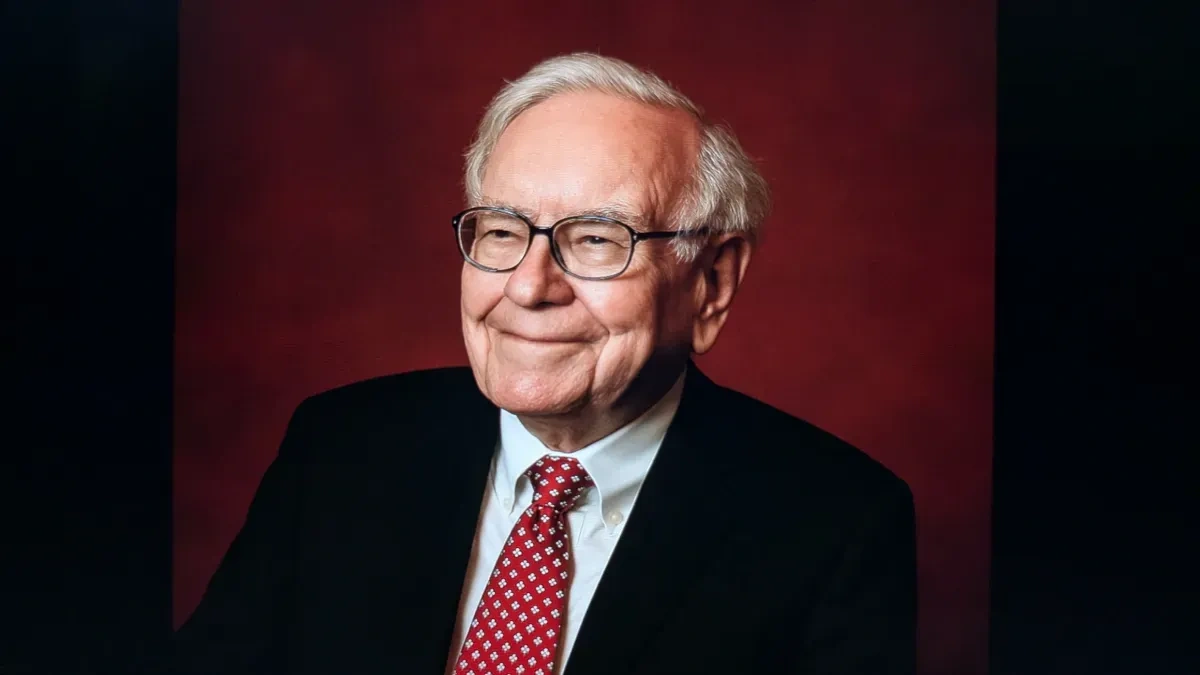
When we talk about a “forever stock” in the context of Berkshire Hathaway’s investment wisdom , we’re not just looking for a company that’s doing well right now. Oh no, it goes much deeper than that. This is about discovering businesses built with an almost impenetrable fortress around them what Warren Buffett famously calls an “economic moat.” This isn’t just a catchy phrase; it’s the core of his Warren Buffett’s investment philosophy . A strong moat means a business has a sustainable competitive advantage that protects it from rivals and allows it to earn high returns on capital for a very long time.
So, what builds such a formidable moat? We’re talking about things like:
- Powerful Brand Recognition: Brands that consumers trust implicitly, often to the point where they’ll pay a premium. Think about the loyalty and habitual consumption they command.
- Network Effects: Where the value of a product or service increases as more people use it. Social media platforms are a classic example, but financial services can also exhibit this.
- High Switching Costs: The pain or expense customers would incur by moving to a competitor. Once you’re deeply integrated into a system, leaving can be a huge hassle.
- Cost Advantages: Being able to produce goods or services at a lower cost than anyone else, often due to scale, unique processes, or proprietary technology.
- Patents & Regulatory Advantages: Legal protections or specific licenses that create barriers to entry for competitors.
These aren’t just academic concepts; they are the bedrock of value investing principles . Berkshire’s leaders aren’t just buying stocks; they’re buying pieces of businesses they understand thoroughly, businesses with predictable earnings and management teams they trust implicitly. This isn’t speculation; it’s a careful, almost clinical assessment of business durability and future cash flow generation. It’s this disciplined, long-term perspective that truly defines their approach to long-term investment strategies .
The Unshakeable Four | Dissecting Berkshire’s Enduring Picks
While the prompt doesn’t name the specific four companies, we can infer the types of businesses that fit the mold of a Berkshire Hathaway “forever stock” based on their historical Berkshire Hathaway portfolio and stated investment principles. These companies typically possess robust moats and operate in sectors that are either fundamental to daily life or exhibit powerful network effects and brand loyalty. Let’s consider some archetypal examples that embody these qualities:
1. The Ubiquitous Consumer Staple (e.g., Coca-Cola)
Imagine a product that transcends cultures, economies, and generations. That’s the power of a consumer staple. Companies like Coca-Cola aren’t just selling a beverage; they’re selling an experience, a habit, a global brand recognized almost universally. Their distribution networks are colossal, their products deeply ingrained in daily routines, and their brand equity is practically priceless. The “why” here is simple: people consume these products relentlessly, regardless of economic cycles. This provides incredible economic resilience and remarkably consistent cash flows, making them ideal for long-term investment strategies .
2. The Financial Services Giant (e.g., American Express or Bank of America)
Financial institutions that are deeply embedded in the economic plumbing of society also fit the bill. Think of payment processors or diversified banks. Companies like American Express benefit from a strong brand, a two-sided network (cardholders and merchants), and a reputation for catering to a premium segment. Bank of America, on the other hand, provides essential services lending, deposits, wealth management that are fundamental to commerce and personal finance. These businesses often have high barriers to entry due to regulation, trust, and the sheer scale required. Their cyclicality can be managed through diversification and strong balance sheets, allowing them to endure through various market dynamics .
3. The Tech Juggernaut with an Ecosystem Moat (e.g., Apple)
While often seen as a tech company, Apple’s appeal to Berkshire Hathaway lies less in its innovative gadgets (though those are important) and more in its sticky ecosystem and brand loyalty. Once you’re in the Apple ecosystem iPhone, Mac, Apple Watch, App Store, iCloud the switching costs are incredibly high. The brand commands fierce loyalty and a premium price point, almost like a luxury good. This creates an enormous, self-reinforcing moat. It’s not just about selling devices; it’s about the recurring revenue from services and the customer captivity that comes with a seamless user experience. This makes it one of those companies with competitive moats that are hard to replicate.
4. The Essential Infrastructure Provider (e.g., BNSF Railway – owned by Berkshire directly)
While not a publicly traded stock, Berkshire Hathaway’s direct ownership of BNSF Railway illustrates another type of “forever stock”: essential infrastructure. Railways, utilities, and energy transmission companies are critical to the functioning of an economy. They often operate as regulated monopolies or oligopolies, with massive fixed assets and extremely high barriers to entry. They may not be the fastest growers, but their services are indispensable, providing consistent, predictable revenue streams through almost any economic climate. These are the true enduring businesses that form the backbone of a nation.
The Shaky Two | Why Some Might Not Last Forever
Now, let’s flip the coin. Just as Berkshire’s leaders identify enduring giants, they also implicitly recognize businesses that, despite their current sparkle, might lack the staying power to be considered “forever stocks.” Again, the “why” is crucial. It often boils down to a lack of a durable moat, excessive susceptibility to disruption, or reliance on fickle trends. Here are two categories that often fall into this camp:
1. The Rapidly Changing Tech or Faddish Venture
Think about companies that are built entirely on the latest technological wave, or those that capitalize on fleeting consumer fads. While they might experience explosive growth for a period, their competitive advantage is often transient. Technology evolves at breakneck speed, and today’s innovation can quickly become tomorrow’s obsolescence. Companies in highly competitive software sectors, social media platforms without deep network effects, or those selling niche gadgets often struggle to build lasting moats. Their success is often tied to constant, expensive innovation and marketing, rather than an inherent, protected advantage. This makes their market resilience stocks uncertain in the long run.
2. Commodity-Reliant or Highly Cyclical Businesses
Industries tied directly to commodity prices (like certain mining operations or undifferentiated raw material producers) or those extremely sensitive to economic cycles (such as some automotive manufacturers or construction material suppliers) often lack the stability of a “forever stock.” Their profitability can swing wildly based on external factors largely beyond their control global demand, geopolitical events, interest rates. While some can be good tactical investments, their inherent volatility and lack of pricing power make them less suitable for a multi-decade, buy-and-hold strategy focused on predictable returns. The margins are often razor-thin, and they constantly battle competitors on price, rather than benefiting from a proprietary advantage.
Beyond the Picks | Cultivating Your Own Investment Discipline
So, what can we, as individual investors, take away from Berkshire Hathaway’s philosophy on these forever stocks and the ones that might fade? It’s not about blind replication. Frankly, many of Berkshire’s largest holdings are so massive that individual investors might find better growth opportunities elsewhere, even while appreciating their stability. Instead, it’s about internalizing the principles.
The core lesson is this: focus on understanding the business first, not just the stock price. Ask yourself, “Does this company have an enduring advantage?” “How will it look in 10, 20, or even 50 years?” “Is its business model simple enough that I can truly grasp it?” These questions, which lie at the heart of value investing insights , are far more powerful than any short-term market prognostication. They help you build a portfolio of future-proof investments that can contribute to your financial well-being for the long haul. Remember, investing is a marathon, not a sprint, and seeking out those businesses built for endurance is a strategy that has stood the test of time, championed by the very best.
Frequently Asked Questions About “Forever Stocks”
What exactly is a “forever stock”?
A “forever stock” refers to a company with such powerful and enduring competitive advantages (an “economic moat”) that it’s expected to maintain its profitability and relevance for decades, if not generations. These companies are often characterized by strong brands, high switching costs, network effects, or cost advantages, making them incredibly resilient to economic downturns and competitive pressures.
Are these stocks truly immune to market downturns?
No, no stock is entirely immune to market downturns. Even the strongest companies will see their stock prices fluctuate with broader market sentiment. However, “forever stocks” are typically more resilient due to their stable business models and consistent earnings, meaning they tend to recover faster and perform better over the very long term compared to more speculative investments. They provide market resilience stocks .
How often does Berkshire Hathaway adjust its “forever stock” list?
Berkshire Hathaway’s approach is characterized by extremely low portfolio turnover. They are famous for their “buy and hold forever” mentality. While they do occasionally trim positions or sell companies, it’s usually only when a company’s competitive advantage erodes significantly, its valuation becomes extreme, or a better opportunity presents itself. It’s a testament to their long-term investment strategies .
Should I just copy Berkshire Hathaway’s portfolio?
While studying the Warren Buffett’s stock picks and the Berkshire Hathaway portfolio can offer invaluable insights, blindly copying it isn’t always the best strategy for individual investors. Berkshire operates on a massive scale, and their ideal investment size might be too large for an individual’s capital. Furthermore, their holdings are often very mature, stable businesses. It’s better to understand the underlying principles of why they choose certain companies and apply those principles to your own research and investment goals. For more in-depth financial analysis, you might explore resources like Groow Finance News .
Where can I learn more about value investing principles?
To deepen your understanding of value investing, start with classic texts like “The Intelligent Investor” by Benjamin Graham, which is foundational to Warren Buffett’s thinking. Websites like Investopedia, major financial news outlets, and reputable investment blogs also offer excellent educational content on evaluating businesses for their intrinsic value and competitive advantages.


