

Ever found yourself staring blankly at a screen, unable to write the next sentence? Or perhaps you’ve hit a metaphorical wall in your career, feeling like progress is utterly impossible? Maybe it’s a pop-up on a website you just can’t get around. The simple word, block , pops up everywhere, doesn’t it? But here’s the thing: we often dismiss it as just a barrier, a nuisance, or an inconvenience. What if I told you that ‘block’ isn’t just about what stops you, but about fundamental forces, both seen and unseen, that profoundly shape our realities?

As an analyst of modern life and its intricate systems, what truly fascinates me is the pervasive nature of the block . It’s not just a physical thing, like a brick wall or a roadblock. It’s a concept that permeates our digital lives, our psychological landscapes, and even the very fabric of how societies function. Understanding why these blocks exist, how they manifest, and crucially, how we navigate or even remove them , isn’t just an exercise in semantics. It’s a crucial skill for thriving in a world that constantly throws up new obstacles. Let’s dig deeper, shall we?
More Than Just a Brick | The Multifaceted Nature of “Block”

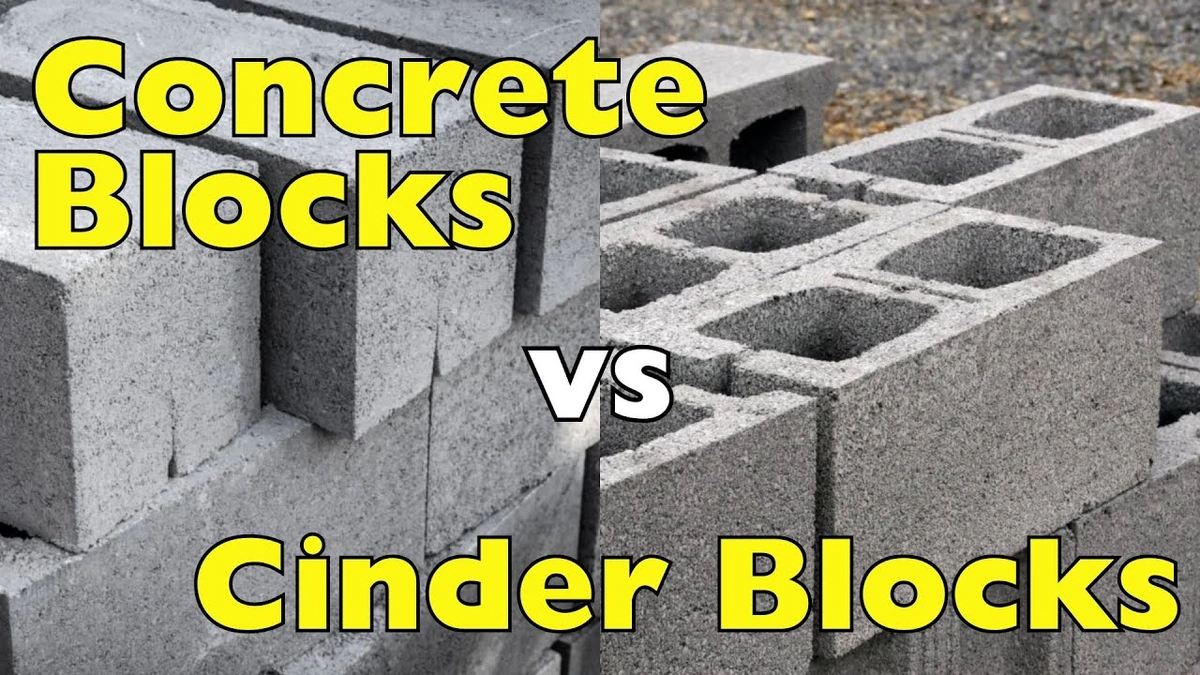
When you hear the word “block,” what’s the first image that comes to mind? For many, it’s something solid and tangible – a child’s toy, a concrete barrier, or perhaps even a city block. And sure, those are valid. But that’s just the surface. Think about it: a block can be a sudden cessation of flow, like a blocked pipe. It can be a defensive move in sports, an active prevention of an opponent’s progress. It can be a fundamental structural unit, a building block of something larger.
The beauty and complexity of this term lie in its incredible versatility. It speaks to something that impedes movement, vision, thought, or access. It’s an obstruction, a barrier, an impediment. Sometimes, it’s intentionally placed, a deliberate act of prevention. Other times, it’s an unforeseen consequence, a natural accumulation, or even a systemic issue. This broad applicability, this almost philosophical breadth, is precisely why we need to unpack its implications across different domains. It’s why I believe understanding the ‘why’ behind a block is far more valuable than simply acknowledging its presence.
Digital Blocks | Understanding the Modern Gatekeepers
In our increasingly interconnected world, digital blocks have become commonplace. We’re talking about everything from spam filters that block unwanted emails (a good block!) to website firewalls that prevent unauthorized access. But the conversation gets more complex when we consider things like content moderation on social media platforms. When an account is ‘blocked’ or ‘blacklisted,’ it’s not just a technical action; it’s a social and often emotional event.
A digital block , in this context, can feel incredibly isolating. If you’ve ever found yourself unable to access a specific website due to geo-restrictions or had your account temporarily suspended, you know the frustration. It’s aninformation blockadethat limits your access to specific content or communities. Why do these exist? Often, it’s for security, legal compliance, or to maintain community standards. But the implementation can feel arbitrary, leading to questions about censorship and free speech. It forces us to ask: who decides what gets blocked, and why? Navigating these digital landscapes requires a keen understanding of the unspoken rules and the technical underpinnings that create these modern-day gatekeepers. Sometimes, understanding the ‘why’ behind a certain restriction can help you find legitimateunblocking strategies.
When Your Mind Hits a Wall | Navigating Mental Blocks
Perhaps one of the most frustrating types of blocks isn’t external at all, but internal: the mental block . This is that moment when your creativity dries up, you can’t recall a simple fact you know you know, or you just can’t seem to make a decision despite having all the information. It’s a psychological impediment, a temporary inability to perform a task or access information that you usually can. I’ve certainly been there, staring at a blank page, feeling like my brain has just… stopped.
Why do these happen? The reasons are diverse: stress, anxiety, fear of failure, perfectionism, or even just cognitive overload. Our brains, as complex as they are, can sometimes put up their own defensive mechanisms, or simply get overwhelmed. Overcoming these internal barriers often requires a different set of tools than external ones. It’s about self-awareness, mindfulness, breaking tasks into smaller chunks, or sometimes, just stepping away and giving your mind a chance to reset. Recognizing that these internal blocks are often temporary and part of the human experience is the first step towards loosening their grip. It’s a form ofcognitive resistancethat can be worked through.
Physical Impediments | Old Challenges, New Solutions
Of course, we can’t forget the literal meaning. A physical impediment is perhaps the most straightforward form of a block. It’s the traffic jam on your commute, the construction site closing off a street, or a natural disaster that makes a road impassable. These are tangible obstructions that directly prevent movement or access. Historically, these blocks were about geographical barriers – mountains, rivers, dense forests. Today, while those still exist, our focus often shifts to man-made obstacles and their impact on daily life.
But even here, the ‘why’ matters. Why is that road blocked? Is it for safety, maintenance, or urban development? Understanding the reason can change your perspective from simple annoyance to appreciation (or informed critique). Consider how cities are designed; some are built with efficient flow in mind, while others seem to create constant choke points. The way we plan and adapt to these physical blocks is a testament to human ingenuity. We build bridges, tunnels, and alternative routes. It’s about findingsolutions to alleviate congestionand maintain progress, even in the face of solid barriers. This constant push-and-pull with physical limitations is a foundational aspect of our collective development.
The Power of the Unblock | Overcoming Obstacles
So, if blocks are so ubiquitous, what’s the secret to moving forward? It lies in the concept of the ‘unblock.’ Whether it’s a digital restriction, a mental hurdle, or a physical barrier, the act of overcoming obstacles is fundamentally about understanding the nature of the block itself and then applying the right strategy. For an information blockade, it might be seeking alternative sources or using a VPN. For a creative block, it could be a change of scenery or a brainstorming session with a friend. For a physical one, it’s finding a detour or waiting patiently for its removal.
Sometimes, the block isn’t even personal, but systemic. Think about societal structures that create barriers for certain groups – these are systemic blocks that require collective action and policy changes to dismantle. This is where understanding the ‘why’ takes on an ethical and political dimension. It’s not just about personal navigation, but about contributing to a larger movement of progress.
The lessons we learn from dealing with different kinds of blocks can even apply to business strategy. Consider companies that face market stagnation – a form of business block. They need to innovate, much like howBurger King made changes to its Whopperto stay relevant. That’s a corporate unblock, a strategic move to overcome a potential impediment to growth. The principle remains the same: identify the block, understand its nature, and devise a plan to move past it.
FAQ | Questions About Navigating Blocks
Common Questions About Blocks and How to Handle Them
What’s the best way to deal with a creative mental block?
Ah, the dreaded creative block! It’s super common. My best advice is to first, not panic. Then, try stepping away from the task completely. Engage in a different activity, even a mundane one. Sometimes a walk, a shower, or listening to music can help reset your brain. Also, try breaking down the task into smaller, less intimidating pieces. If you’re stuck on an article, just write a bullet list of ideas instead of full sentences. For more tips on overcoming different kinds of mental barriers, check out this article onhow organizations unblock their creativityby embracing change.
How can I identify if a digital block is legitimate or arbitrary?
This can be tricky! Legitimate blocks often come with clear explanations (e.g., “This content is not available in your region due to licensing agreements” or “Your account was suspended for violating community guidelines”). Arbitrary blocks might lack clear communication or seem inconsistent with stated policies. Always check the official terms of service or support pages of the platform in question. If you suspect an error, reach out to their customer support.
Are all blocks negative?
Absolutely not! Many blocks are beneficial and essential. Think about spam filters, firewalls protecting your data, or even the block a strong defender makes in a basketball game to prevent a score. These are protective measures. Even mental blocks, while frustrating, can sometimes be a sign that your brain needs a rest or is processing complex information before a breakthrough. Context is everything when evaluating a block.
What’s the difference between an obstacle and a block?
They’re very similar and often used interchangeably! Generally, an “obstacle” might suggest something that makes progress difficult or slows it down, whereas a “block” implies a complete halt or prevention of progress. An obstacle might be a bumpy road, while a block is a road closure. However, in common language, their meanings frequently overlap, and both refer to a form of impediment or resistance.
So, the next time you encounter a block whether it’s a pop-up ad, a sudden inability to focus, or a closed-off road take a moment. Don’t just react; analyze. Ask yourself: Why is this block here? What purpose does it serve? And what’s the most effective strategy to understand, navigate, or dismantle it? Because in a world full of unseen barriers, the true power lies not in avoiding blocks, but in mastering the art of the unblock, and understanding the profound impact they have on our everyday lives. It’s a journey of continuous learning, adaptation, and ultimately, liberation from the forces that seek to stop us.


