

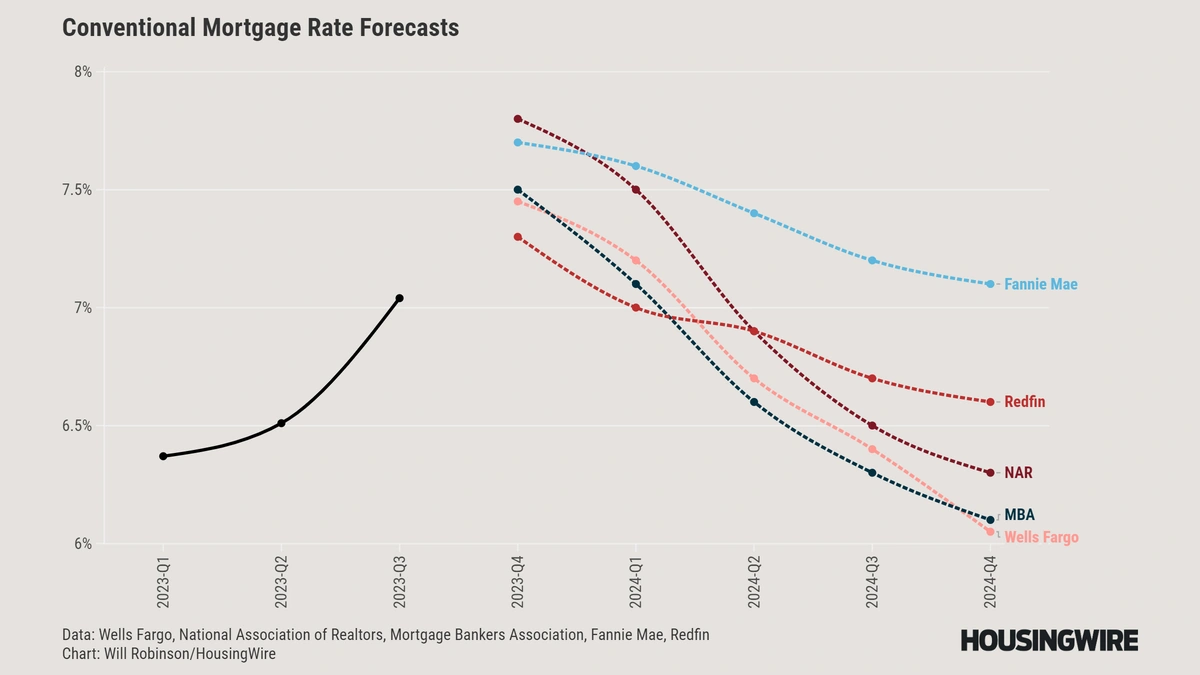
Alright, let’s talk mortgages. You’ve probably seen the headlines, right? The news that the averageUS mortgage ratehas dipped backbelow 6%. And if you’re anything like me, your first thought was probably, “Finally! Is this the moment? Is the housing market about to ignite again?” It feels like we’ve been collectively holding our breath, waiting for that signal. But here’s the thing: while that number is certainly a welcome sight, a lot of savvy economists don’t expect a housing boom to follow. In fact, many are urging a healthy dose of caution.

I initially thought this was straightforward: lower rates, more buyers, boom! But then I realized, just like with so many things in our complex economy, the simple narrative often misses the deeper currents. This isn’t just about a single percentage point; it’s about a confluence of factors, a delicate balance that’s keeping the market from its usual fireworks. So, let’s grab a virtual coffee and really dig into the ‘why’ behind this intriguing paradox. Why isn’t a sub-6% mortgage rate a level we haven’t seen consistently in quite a while unleashing a frenzy of homebuying? What’s the hidden context here, and what does it really mean for you, whether you’re looking to buy, sell, or just understand where things are headed?
The Numbers Don’t Lie (But They Don’t Tell the Whole Story Either)

First, let’s acknowledge the good news. Seeing the US mortgage rate fall below 6% is genuinely positive, especially considering we saw rates flirting with, or even exceeding, 8% not too long ago. This dip, often driven by cooling inflation data and shifting expectations for Federal Reserve actions, makes borrowing money for a home theoretically more affordable. For a potential homeowner eyeing a median-priced home, even a half-percent drop can translate into hundreds of dollars saved on monthly payments over the life of the loan. That’s real money, folks.
However, and this is where the plot thickens, while the cost of borrowing has improved, it hasn’t erased the other significant hurdles. Many in the industry are closely watching the housing market forecast 2024, and the general consensus points to a market that’s stabilizing rather than surging. We’re not seeing the kind of panic buying or aggressive bidding wars that characterized the pandemic-era market. Why? Because the rates, while lower, are still elevated compared to the ultra-low levels of 2-3% that many existing homeowners locked in. And that, my friends, is a huge part of the puzzle.
Beyond the Sticker Price | Unpacking the Affordability Puzzle
Let’s be honest, even with mortgage rates making a downward journey, the overall picture of home affordability challenges remains stark. The average price of a home hasn’t magically reset itself. We’re still grappling with elevated home prices that, in many desirable areas, feel stubbornly high. Think about it: if a home costs $400,000, and a year or two ago, you could have financed it at 3%, your monthly payment was considerably lower than what it is today, even with rates now in the mid-5s. This disconnect between what people can afford and what homes are actually listed for is a persistent drag on the market.
And then there’s the inventory problem. It’s a classic supply-and-demand situation. Many homeowners who locked in those ridiculously low rates during the pandemic are essentially ‘rate-locked.’ Why would they sell their home, give up their 3% mortgage, only to buy a new one at 5.5% or 6%? It doesn’t make financial sense for most. This phenomenon leads to a scarcity of homes for sale, which keeps prices artificially high, even if buyer demand isn’t overwhelming. It’s a vicious cycle where a lack of existing homes on the market perpetuates a situation of limited choices and inflated values, further contributing to inflation impact on housing and making it tough for first-time buyers.
The Fed’s Tightrope Walk | Interest Rates and the Economy
What fascinates me is the intricate dance between mortgage rates and the Federal Reserve’s broader economic policy. Mortgage rates, though not directly set by the Fed, are heavily influenced by the yield on the 10-year Treasury bond, which in turn reacts to the Fed’s signals about inflation and benchmark interest rates. When the Fed hints at rate cuts, or when inflation data comes in softer than expected, the market generally reacts by pushing bond yields down, and consequently, mortgage rates tend to follow.
The Federal Reserve interest rate decisions are made with the dual mandate of maximizing employment and maintaining price stability. They’ve been aggressively hiking rates to combat inflation, and while we’ve seen some progress, the job isn’t entirely done. What does this mean for our housing market forecast? It means that while recent dips in mortgage rates are encouraging, there’s still a strong undercurrent of caution from the Fed, suggesting they’re not ready to declare victory over inflation and embark on aggressive rate cuts. This measured approach keeps future rate expectations somewhat tempered, preventing the kind of runaway optimism that would fuel a true boom.
Buyer Sentiment and the Shifting Sands of the Market
Let’s talk about the human element: buyer sentiment real estate. It’s not just about the numbers; it’s about confidence, fear, and perceived value. Many potential buyers, particularly those who remember the wild swings of the 2008 crash or the frenzied buying of 2020-2022, are now approaching the market with a more measured, almost skeptical, eye. They’ve seen rates go up, then down, then up again. They’ve seen prices climb stratospherically. There’s a general feeling of “What’s next?”
This hesitancy means that even a mortgage rate dips isn’t enough to trigger widespread FOMO (fear of missing out). Buyers are taking their time, being pickier, and expecting more value for their money. They’re also acutely aware of the broader economic uncertainties – job security, persistent inflation in other areas of life, and global instability. It’s tough to make one of the biggest financial commitments of your life when the economic winds feel unpredictable. I think Matt Hardy over atGroow Finance Newsoften captures this human side of financial decisions, reminding us that it’s rarely just about the raw data.
What This Means for You | Refinancing, Buying, or Waiting It Out?
So, given this nuanced picture, what’s the takeaway for you? If you’re an existing homeowner with a higher rate, the current dip might present an opportunity for refinance mortgage rates. It’s certainly worth exploring if it makes financial sense to lower your monthly payments or change your loan terms. Just be sure to do your homework and compare options.
For prospective buyers, especially those who have been on the sidelines, this period of relative stability, even with sub-6% rates, could be a sweet spot. You might find less competition than a year or two ago, and potentially more room for negotiation. However, it’s critical to go in with eyes wide open, understanding that real estate trends suggest prices are unlikely to crash dramatically across the board due to the inventory crunch. This isn’t a market for quick flips; it’s a market for thoughtful, long-term investments.
And if you’re still waiting for that mythical bottom, for rates to plummet back to 3% and prices to halve? Well, based on the current economic outlook housing, that might be a very long wait indeed. Economists are generally forecasting continued moderation, not a return to either extreme. It’s about finding your right time, based on your financial situation and goals, not waiting for a perfect storm that may never come.
FAQ | Your Burning Mortgage Questions, Answered
Is a 6% mortgage rate considered good?
Historically, a 6% mortgage rate is still quite reasonable. While lower than the peaks we saw recently, and certainly better than double-digit rates of decades past, it’s higher than the exceptionally low rates experienced during the pandemic. Whether it’s “good” depends on your personal financial situation and comparison to recent market highs.
Why aren’t home prices falling with higher rates?
This is a great question that gets at the heart of the current market’s complexity. Despite higher interest rates (which typically cool demand), home prices aren’t falling dramatically primarily due to a severe lack of inventory. Many existing homeowners are reluctant to sell because they’re locked into much lower mortgage rates, which means fewer homes are coming onto the market. This limited supply helps prop up prices, even if buyer demand isn’t surging.
Should I wait for rates to drop further before buying?
That’s the million-dollar question, isn’t it? While waiting for lower rates might seem appealing, it’s a gamble. No one can predict the market with certainty, and rates could just as easily tick back up. Plus, if rates do drop significantly, it could also re-ignite demand and competition, potentially driving prices up. It’s often better to buy when you’re financially ready and find a home that fits your needs, rather than trying to time the market perfectly. What we’re seeing in broader consumer spending, like some of the interesting changes affecting even quick-service restaurants as discussed atGroow Finance News, shows how even small economic shifts can have ripple effects everywhere, so considering your own stability is key.
What factors influence mortgage rate fluctuations?
Several key factors influence mortgage rates. These include inflation expectations, the Federal Reserve’s monetary policy decisions (like setting the federal funds rate), the health of the overall economy, the bond market (especially the yield on the 10-year Treasury bond), and global economic events. All these elements create a dynamic environment for rates.
Is now a good time to refinance my mortgage?
If your current mortgage rate is significantly higher than the present average, and you plan to stay in your home for several more years, refinancing could be a smart move. It can lower your monthly payments or allow you to switch to a different loan term. However, remember to factor in closing costs and compare them against your potential savings. Consult with a financial advisor to see if it makes sense for your specific situation.
So, there you have it. The recent dip in the US mortgage rate dips below 6% is good news, a welcome sign of some normalcy returning to the financial landscape. But it’s not the magic bullet that will trigger an immediate housing boom. The market is navigating a complex interplay of high home prices, limited inventory, measured Federal Reserve policy, and cautious buyer sentiment. Understanding these deeper currents allows us to move beyond the headlines and make more informed decisions about our financial futures. It’s less about a boom, and more about finding stability in a constantly shifting market.


