
There’s a palpable tension in the air, isn’t there? You wake up, check the news, and another headline screams about geopolitical unrest. This time, it’s the Iran attacks , and immediately, the financial world responds. We see oil prices doing their classic jump, and stock futures sliding into the red. It feels like a knee-jerk reaction, almost predictable. But here’s the thing: understanding why these movements happen, what the deeper implications are, and what hidden contexts are at play, is far more crucial than just knowing they did happen. My goal today isn’t just to report the news, but to unravel the intricate threads that connect geopolitics to your portfolio, offering you a real analyst’s perspective on this immediate market volatility.
Let’s dive in, shall we? Because what’s unfolding isn’t just about daily headlines; it’s about the very mechanisms that drive the global economy and influence every dollar in your pocket, from gas prices at the pump to the value of your retirement fund. It’s complex, sure, but we can break it down, piece by piece.
The Immediate Tremors | Why Oil is the First Domino
When news of conflict erupts in the Middle East, the first thing many financial analysts and frankly, anyone who buys gas look at is the price of oil. And true to form, we’ve seen a significant oil price surge . But why is crude oil such a sensitive barometer for these events? The “why” here is rooted in both hard geography and psychological fear.
The Middle East isn’t just a major oil producer; it’s the major oil producer. A huge chunk of the world’s crude oil prices are dictated by the stability, or lack thereof, in this region. Think about key chokepoints like the Strait of Hormuz, a narrow waterway through which a massive percentage of the world’s seaborne oil passes daily. Any threat to this vital artery, real or perceived, instantly triggers fears about supply disruptions. It doesn’t even need to be an actual disruption; the potential for one is enough to send ripples through the energy markets , prompting traders to bid up prices.
This isn’t just about present supply, mind you. There’s a future element. Geopolitical events introduce what’s known as a “risk premium” into oil prices. Traders and investors factor in the heightened possibility of future shortages, higher shipping costs due to perceived danger, and increased insurance rates. This premium can push prices higher even if current supply remains stable. It’s a classic case of supply and demand reacting not just to current realities but to anticipated future problems, driven by pure geopolitical risk . Let’s be honest, it’s human nature to panic-buy when you fear a shortage, and financial markets are no different.
Stock Futures and Investor Sentiment | Beyond the Red Numbers
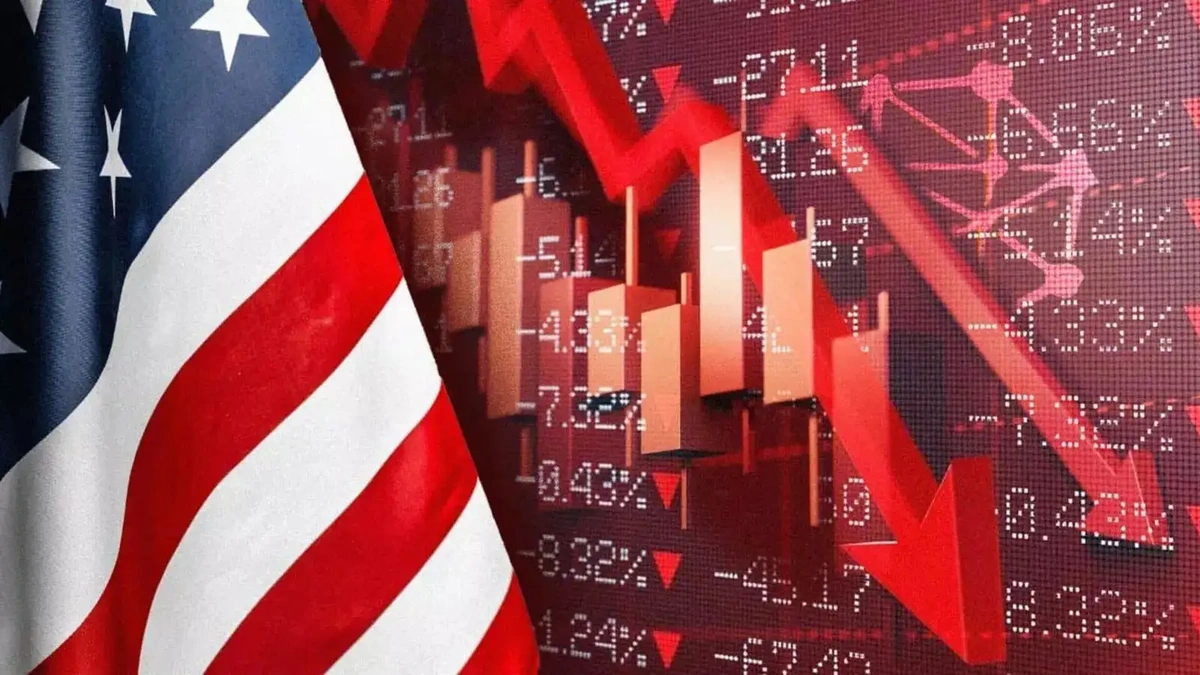
While oil grabs the headlines, stock futures sliding tell another crucial part of the story. Futures contracts are essentially bets on where the market will be at a future date. When they fall, it’s a clear signal that institutional investors and traders are bracing for a tough trading day ahead, indicating a widespread decrease in investor sentiment . This isn’t just random selling; it’s a strategic move to hedge against perceived dangers.
What specifically makes equity markets so nervous? It boils down to uncertainty. Geopolitical flare-ups introduce a massive unknown into corporate earnings, consumer confidence, and overall economic stability. Companies face potential disruptions to supply chains, higher operating costs if energy prices remain elevated, and a potential slowdown in consumer spending if people feel less secure about the future. For sectors heavily reliant on global trade or discretionary spending, this can be particularly painful.
This increased stock market volatility often leads to a “flight to quality,” where investors pull money out of riskier assets (like stocks) and put it into perceived `safe-haven assets` such as gold, the U.S. dollar, or government bonds. It’s an instinctive reaction to protect capital when the outlook becomes murky. The idea here is simple: when the world feels unpredictable, people tend to gravitate towards what they believe will hold its value, even if returns are modest. It’s less about making money and more about not losing it, a critical aspect of geopolitical events investing .
The Ripple Effect | Inflation, Supply Chains, and Your Wallet
Now, let’s connect the dots to something even more tangible: your wallet. A sustained oil price surge isn’t just an abstract number on a screen; it has a cascading effect throughout the entire global economy impact . Higher energy costs mean higher transportation costs for nearly every good and service. Think about how your food gets to the grocery store, how products are shipped from factories, or how much it costs to heat your home or fuel your car. All these costs can increase, fueling widespread inflation concerns .
This kind of inflationary pressure can erode purchasing power, making everything you buy more expensive. Central banks, in turn, might be compelled to maintain higher interest rates to combat inflation, which can slow down economic growth. It’s a delicate balancing act, and unexpected external shocks like Middle East conflict make it even harder.
Beyond inflation, there’s the specter of supply chain disruptions. While not always immediate, prolonged tensions can lead to rerouting of shipping, delays, or even shortages of critical components if certain regions become inaccessible or too risky. For businesses, this means higher costs, potential production delays, and ultimately, higher prices for consumers. For individuals, it can mean less choice or higher prices on goods you rely on. It’s a stark reminder that what happens thousands of miles away can have a very real, tangible impact on your daily life.
What Comes Next? Navigating Geopolitical Events in Investing
So, what’s the playbook for navigating this kind of environment? First, let’s acknowledge that predicting the exact trajectory of geopolitical events is impossible. Anyone telling you otherwise is selling something. However, we can analyze the potential scenarios and their implications for the stock market outlook . History shows us that markets often recover from geopolitical shocks, sometimes surprisingly quickly, but the path can be bumpy.
For investors, a key takeaway from events like the Iran attacks is the importance of diversification. Spreading your investments across different asset classes (stocks, bonds, real estate, commodities), geographies, and sectors can help cushion the blow when one area is hit. For example, while technology stocks might suffer from uncertainty, certain defense or energy sector companies might see increased demand.
This is where patience and a long-term perspective become your best friends. Reacting impulsively to every headline often leads to poor decisions. Instead, focus on the fundamentals: strong companies, diversified portfolios, and understanding your risk tolerance. Keep an eye on the bigger picture of the energy sector impact and how it translates to broader economic health, but avoid day-trading on fear. It’s easier said than done, I know, but it’s crucial. The markets are always a dance between fear and greed, and moments like these test our discipline.
Frequently Asked Questions About Market Reactions to Geopolitical Events
Why do oil prices react so sharply to Middle East tensions?
Oil prices are highly sensitive to Middle East tensions primarily due to the region’s immense role in global crude oil supply. Any threat, real or perceived, to production facilities or critical shipping lanes like the Strait of Hormuz, triggers fears of supply disruption, leading to an immediate “risk premium” being priced into crude oil prices . It’s a supply-demand equation driven by perceived future scarcity.
Are stock futures a reliable indicator of the market’s future?
Stock futures are a strong indicator of immediate market sentiment for the upcoming trading session. They reflect how institutional investors and large traders are positioning themselves before the market opens. While they don’t predict the entire future, they provide valuable insight into short-term expectations and the initial direction the market is likely to take based on current news and `investor sentiment`.
What are safe-haven assets, and why are they important now?
Safe-haven assets are investments expected to retain or increase in value during times of market turbulence or geopolitical uncertainty. Examples include gold, the U.S. dollar, and government bonds. They are important now because heightened geopolitical risk drives investors to seek refuge from volatility, prioritizing capital preservation over growth. This shift explains why `gold prices` often rise when stocks fall.
How might this impact the global economy in the long run?
The long-term global economy impact from such events depends heavily on their duration and escalation. Sustained high oil prices can fuel inflation, reduce consumer spending, and potentially lead to slower economic growth globally. Prolonged Middle East conflict can disrupt trade routes and supply chains, increasing costs and uncertainty for businesses worldwide. However, economies are resilient, and markets often adapt over time.
Where can I find more updates on market reactions?
For more real-time analysis and updates on how various financial markets are reacting to global events, you can always check out resources like Groow Finance News . Staying informed from reliable sources is key to understanding the evolving situation and making informed decisions about your portfolio.
Ultimately, the world of finance is inextricably linked to the world of geopolitics. While the immediate reaction to Iran attacks might be an oil spike and sliding stock futures, the true value lies in understanding the complex ‘why’ behind these movements. It’s about recognizing the intricate dance between fear, supply, demand, and global stability. By looking beyond the headlines and delving into the underlying mechanisms, we can better prepare, adapt, and even find opportunities in an ever-changing economic landscape. Stay curious, stay informed, and remember that knowledge is your most powerful asset.


